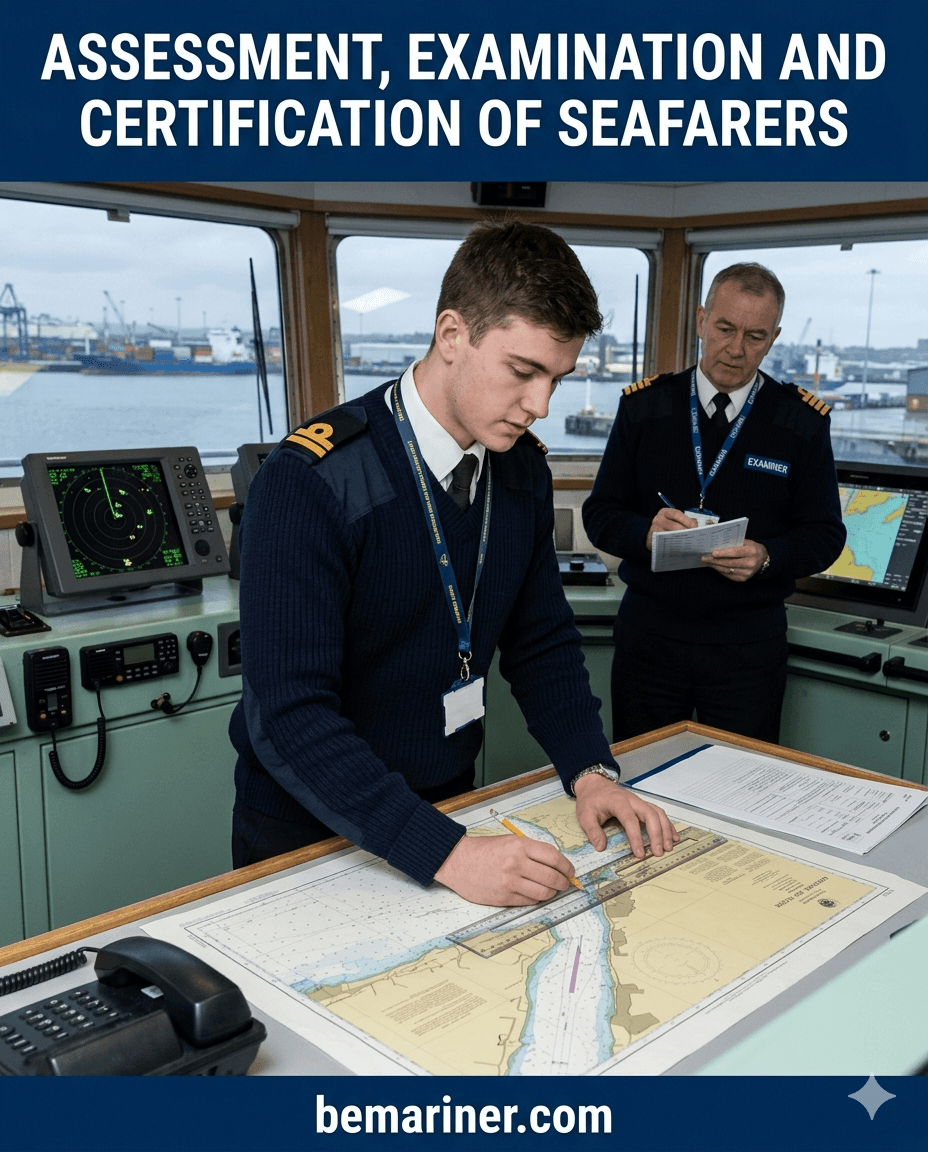
The Assessment, Examination and Certification of Seafarers (AECS) course is a premier pedagogical program designed for senior maritime professionals who seek to transition into the critical role of an assessor or examiner. While many maritime veterans have years of experience in teaching or mentoring, the AECS course—based on the International Maritime Organization (IMO) Model Course 3.12—focuses specifically on the specialized science of objective evaluation. In the high-stakes environment of the Merchant Navy, the ability to accurately determine if a candidate is truly "competent" is a heavy responsibility. This Directorate General of Shipping (DGS) approved course provides the technical and ethical framework necessary to ensure that only the most prepared and skilled individuals receive their professional licenses to serve at sea.
The curriculum is a deep dive into the modern methodologies of assessment, moving beyond simple grading to a structured, criteria-based evaluation process. Trainees learn the psychology of testing, the design of valid examination papers, and the nuances of conducting fair oral assessments. A significant portion of the course is dedicated to simulator-based assessment, where students learn to develop complex scenarios that test a candidate's decision-making and technical dexterity under pressure. The program emphasizes the removal of personal bias and the importance of adhering to the strict standards set by the STCW Convention.
Successfully completing the AECS course is a definitive mark of professional integrity. It is a mandatory requirement for those wishing to serve as Internal Assessors at maritime training institutes or as examiners for the Mercantile Marine Department (MMD). By mastering the art of assessment, senior officers help maintain the global reputation of the Indian maritime workforce, ensuring that the standards of safety and technical excellence are upheld for the next generation of seafarers.